
How to Prepare Your Kids Emotionally and Academically for the Move
11/30/20253 min read
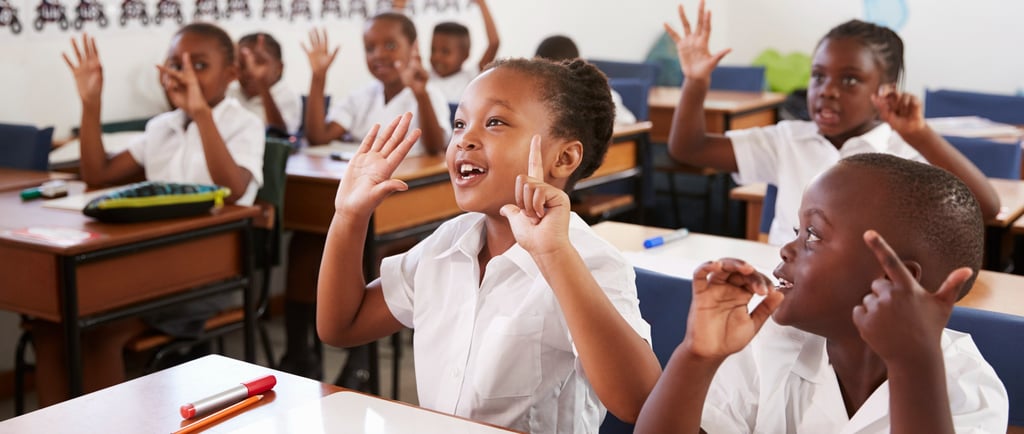

Relocating to Africa is not just a major shift for adults, it is also a life-changing transition for our children as well. Whether your children are toddlers, primary-school age or teenagers, they will experience the move differently and will need support that is intentional, patient and structured.
This guide breaks down how to prepare your children emotionally and academically so the move feels safe, exciting, and empowering, not overwhelming.
1. Start With Honest, Age-Appropriate Conversations
Children handle transitions best when they feel informed, not ambushed.
For ages 3–7:
Focus on simple explanations:
“We’re moving to a new country.”
“There will be sunshine, new friends, and new adventures.”
“Mummy and Daddy will be with you the whole time.”
For ages 8–12:
Give context:
Why you are moving
What will change
What will stay the same
What they can look forward to
For teenagers:
Include them in decision-making where possible:
Schools
Hobbies
Future goals
Academic transitions
Consistency reduces anxiety. Talk early and talk often.
2. Let Them Visualise Their New Life
Children adapt better when they can imagine what’s coming.
Show them:
pictures of the country, neighbourhoods, beaches, markets
videos of daily life
the school they will attend
the home or city you’re moving to
kids their age in that environment
Consider:
creating a “My New Life” mood board
reading stories from African authors
watching family-friendly African films
learning some phrases in the local language
The goal is to move from fear of the unknown to curiosity and excitement.
3. Validate Their Feelings (All of Them)
Children may feel:
excitement
sadness
fear
anger
confusion
curiosity
Do not dismiss difficult emotions. Instead, validate them:
“It’s okay to feel worried. Moving is a big change and we’ll do it together.”
Emotional safety is the foundation of a smooth transition.
4. Maintain Familiar Routines
Kids need stability, especially during major life changes.
Keep routines where possible:
bedtime rituals
prayer or mindfulness time
reading
family meals
weekend traditions
When routines travel with them, the new environment feels less intimidating.
5. Prepare Them Academically
Every African country has a different school system. Your child’s adjustment will depend on how prepared you are.
Research school types:
international schools
local private schools
bilingual schools
homeschooling or hybrid models
Check for gaps:
curriculum differences
subjects taught at different levels
language requirements
exam systems (IGCSE, WASSCE, KCSE, etc.)
Practical steps:
Request transcripts early
Keep copies of report cards
Collect vaccination records
Note any special education needs
Prepare exam equivalency documents if required
A smooth academic transition builds confidence.
6. Support Language Adjustment
If your child is moving to a French-, Portuguese-, Arabic-, or Swahili-speaking environment, early exposure helps.
Introduce:
language apps
YouTube lessons
children’s books
songs and cartoons
bilingual flashcards
Even basic phrases make a big difference.
7. Let Them Say Goodbye Properly
Closure matters.
Help them:
organise a farewell playdate
create a memory book
exchange phone numbers with friends
bring special items from their old room
plan how they will stay in touch
Good goodbyes make space for healthy new beginnings.
8. Plan Their Social Integration Early
Your child’s happiness depends largely on social belonging.
Before you move:
join local parenting groups
find sports clubs or creative classes
research youth groups, dance schools, or football academies
message parents of your child’s future classmates
After you arrive:
arrange gentle meetups
tour the area together
prioritise playtime
model curiosity and openness
Kids absorb your energy—if you settle, they settle.
9. Create Emotional Anchors in Your New Home
Help them personalise their space.
Ideas:
let them choose paint colours or bedding
create a “comfort corner” with favourite toys
bring a scent, blanket, or bedtime item from home
keep some Western treats for familiarity
Small anchors reduce emotional overwhelm.
10. Give Them Time
Children often adjust in phases:
Excitement
Culture shock
Homesickness
Exploration
Belonging
Allow the process. Avoid pressuring them to “love it immediately.”
Your patience is their stability.
Final Thoughts
Moving to Africa can be one of the richest, most empowering experiences of your child’s life—but only when approached with intention. Emotional preparation + academic planning = a confident, resilient transition.
Give them safety. Give them information. Give them consistency.
And most importantly — give them time.
Check out our Teen Relocation Conversation Cards here. My teens loved the questions and didn't want it to end.
Connect
departures@plantedinafrica.com
© 2025. Planted in Africa. All rights reserved.